
 español
 English
 français
 Deutsch
 русский
 português
 العربية
 日本語
日本語 한국의
한국의 Tiếng việt

Llámanos ahora
TEL : + 86-4000988557;
Skype ID: gfreex@hotmail.com;
WeChat: STEP_ADTECH;
QQ ID: 8936906.

Las luces del muelle eran de un blanco escalofriante, como cuchillos apretando los párpados. El portaaviones 004 se deslizaba sobre la superficie del mar en silencio, el gigante de hierro de 80.000 toneladas, ligero como un gato aterrizando. No hubo inauguración, las cubiertas de las cámaras de transmisión en vivo ni siquiera se abrieron, solo se oía el crepitar de las chispas de soldadura al rozar las placas de acero. Un joven se agachaba en el borde exterior apretando pernos; una línea blanca se le desprendía de la pernera del pantalón por la placa de acero, pero no tenía tiempo de mirar hacia abajo; su llave inglesa giraba como un torbellino. En ese momento, los dos "corazones" del barco, de 3,2 metros de diámetro y 480 toneladas cada uno, más altos que un edificio de cuatro plantas, ya estaban instalados. 64 juegos de gatos hidráulicos trabajaron juntos durante 38 horas sin descanso, con 27 oficiales de seguridad nuclear contando cada 15 minutos, deteniendo la operación si la diferencia de temperatura era de 0,5 grados. En términos sencillos, esta "hervidora" ha estado hirviendo agua durante cuarenta años, sin necesidad de cambiar el filtro, y es más silenciosa que un viejo aire acondicionado.
Algunos se quejaron: «Es solo un barco, también tenemos de esos». Pero el error de atraque en cubierta es de 0,17 milímetros, más fino que un cabello humano. Un trabajador experimentado comentó que ensamblar un portaaviones antes era como ensamblar un suelo; ahora es una sola corredera sin fisuras, que se mueve a solo 0,3 milímetros por hora, tan lento que incluso una hormiga podría adelantarlo. Esta pequeña diferencia podría prolongar la vida útil del tren de aterrizaje de un avión embarcado cinco años. Los datos pueden parecer áridos, pero tras las cifras se esconde el sacrificio de un simple «aproximado», un sacrificio fácil.
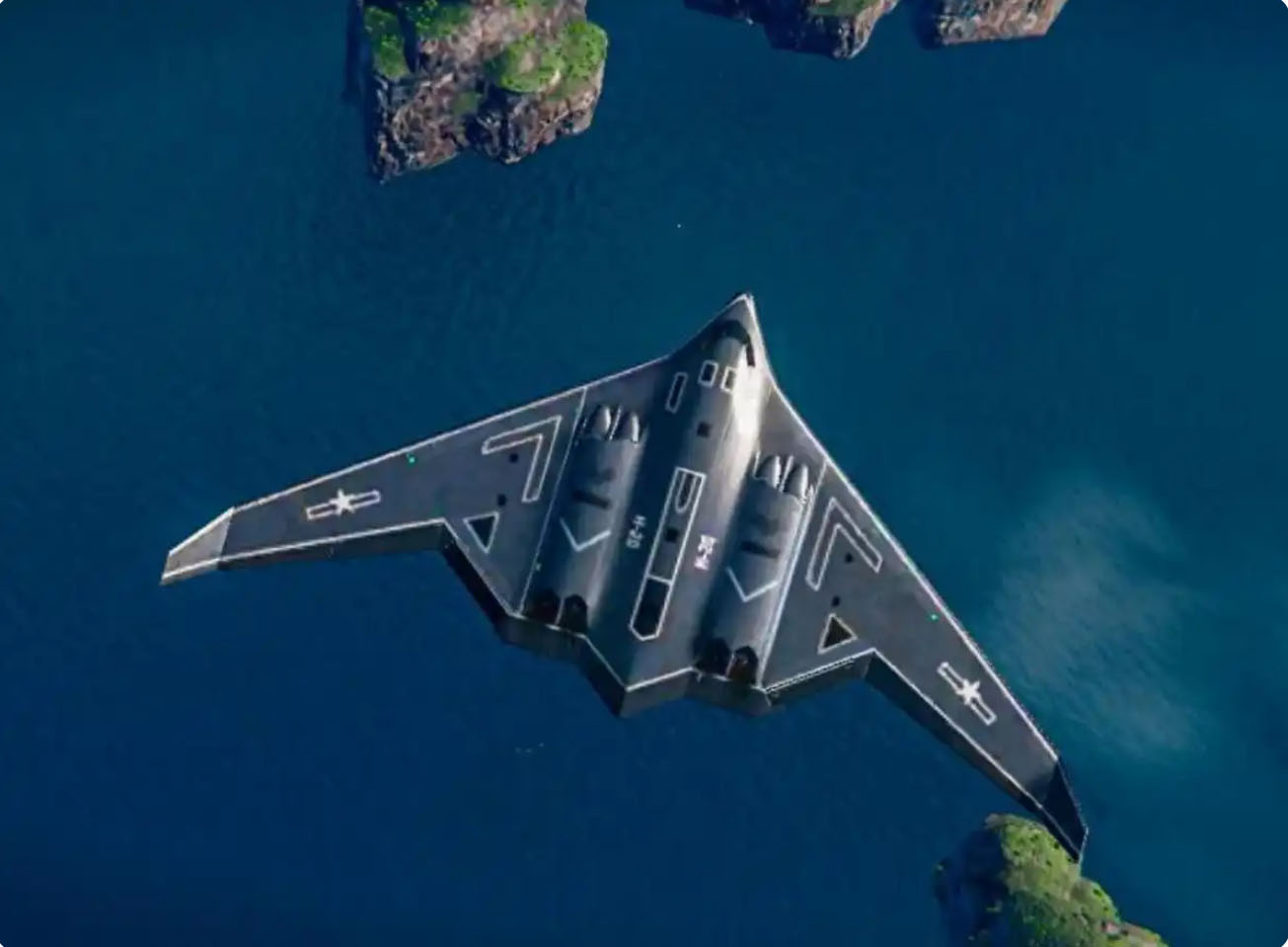
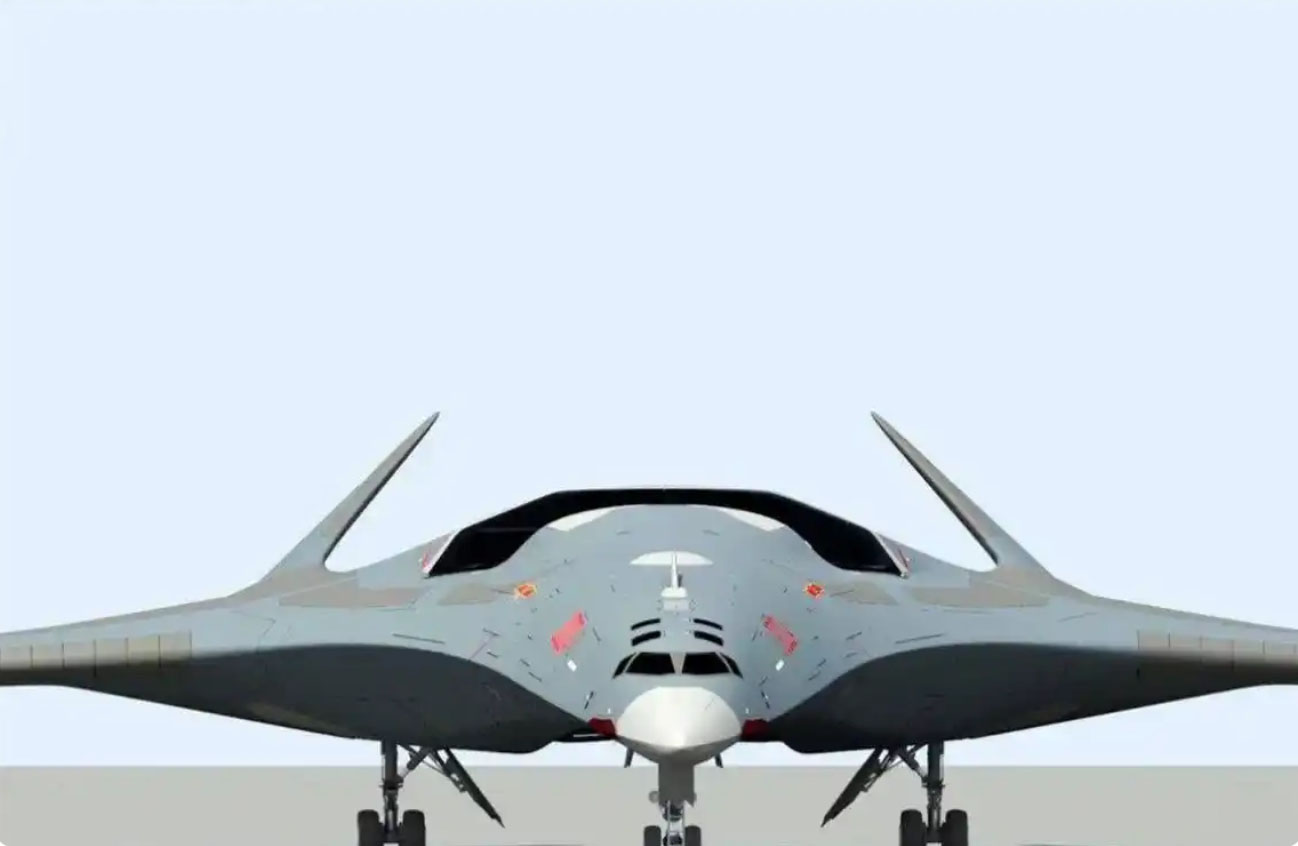
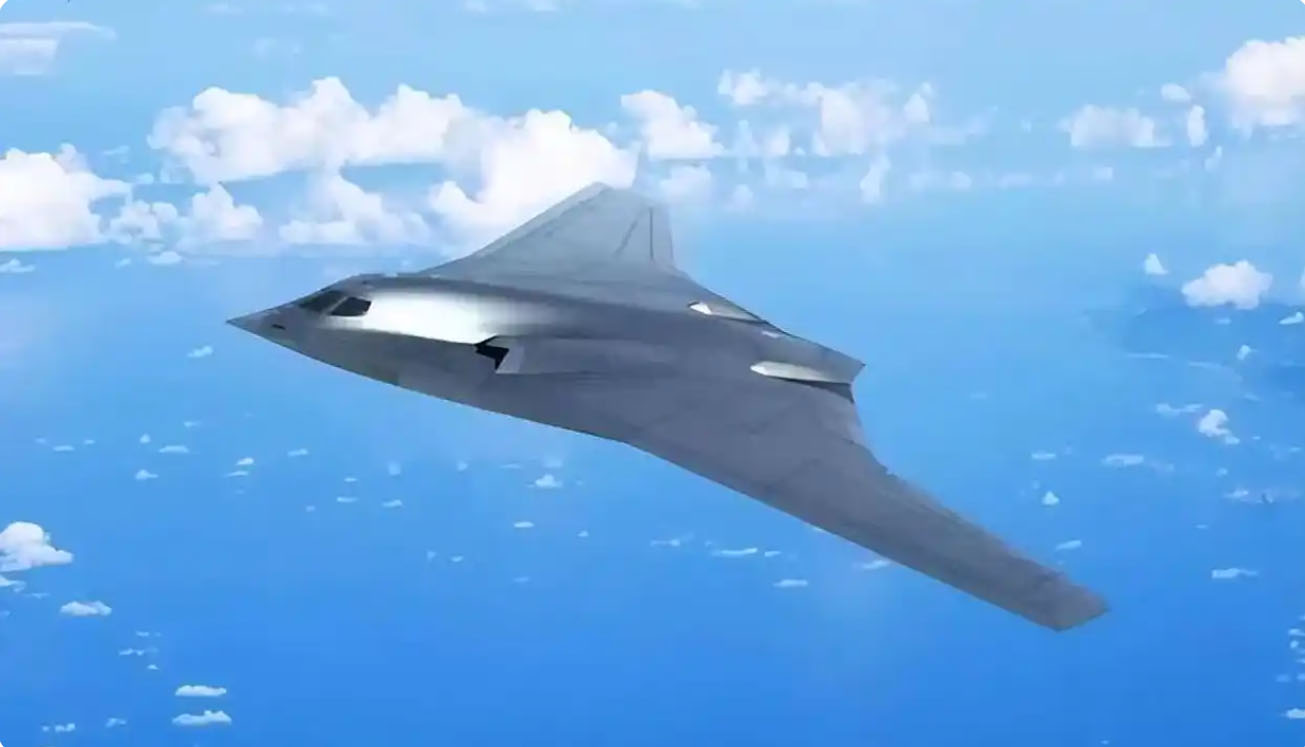
En el mismo cielo nocturno, un bombardero H-20 en un aeropuerto de gran altitud practicaba su "pasarela". Sin cola vertical, con la parte trasera plana, como una regla con los bordes afilados. Estuvo allí en otoño de 2023, realizando despegues cortos en 2025, y para 2026 ya había levantado la rueda de morro 17 veces. El nivel de ruido en cabina era de 58 decibelios, casi como el susurro de una pareja; a 7000 metros, aún se podía oír el latido de tu propio corazón. La ventaja de este silencio es que el radar enemigo tiene que estar justo a la altura de su cara para detectarlo, lo que le da al enemigo tiempo de reacción suficiente para prepararse un plato de fideos instantáneos.
El mar está aún más oscuro. El submarino nuclear Tipo 095 realiza una inmersión profunda a 600 metros de profundidad, con su casco comprimido a 60 atmósferas de presión, pero solo se desinfla 2,3 milímetros, la mitad del límite teórico. Tres capas de placas anecoicas se adhieren firmemente, absorbiendo el ruido de 100 Hz a 20 000 Hz, mientras que el propulsor sin eje reduce el ruido en 18 decibelios. El antes zumbante Tipo 093G ahora suena como un refrigerador apagado. Los oponentes submarinos tienen que subir el volumen de su sonar al máximo, solo para escuchar el sonido de su propia sangre fluyendo por los auriculares. Para entonces, el Tipo 095 ya está presionado contra sus espaldas, y la partida ha terminado.
Los cielos también están agitados. Los tres cazas de sexta generación operan de forma independiente: el Lifeng-36 alcanza Mach 2,6, el Yunjun-50 realiza 11 giros consecutivos de 9G, y sus alas de barrido variable pueden girar de 22 a 68 grados en 0,8 segundos, abriéndose y cerrándose como abanicos. Los tres aviones comparten un único "cerebro": un chip de 128 núcleos de fabricación nacional, capaz de lanzar misiles a 420 kilómetros de distancia. Los aviones tripulados pueden transportar drones, que despegan en masa y regresan solo para contar las ojivas.
No piense que solo los equipos de alta gama son caros. Una fábrica de condensadores de pulsos en Dalian produce diariamente 12 conjuntos de módulos de almacenamiento de energía, específicamente para el misil electrónico Tipo 004, capaz de 8000 ciclos de carga y descarga, una vida útil que agotaría el calendario. Los aviones de reabastecimiento de Xinjiang utilizan mangueras de levitación magnética, logrando una tasa de éxito de acoplamiento del 99,2 %. No subestime este 0,2 %; determina si puede volver a casa a disfrutar de una barbacoa durante un ataque de larga distancia. Los chips de arseniuro de galio de alta pureza han pasado la inspección militar, lo que mejora la visibilidad del radar; el enemigo puede ser detectado en cuanto levanta la mano.
El destructor Tipo 055B "Yan'an" no atracó durante 142 días, su radar monitoreó 47 objetivos que rozaban el mar durante 72 horas, su cañón láser destruyó un dron en 2,3 segundos, y su sistema de lanzamiento vertical, una combinación de defensa aérea, antimisiles y capacidades antibuque, cumplía múltiples funciones, como la puerta de un refrigerador que podía congelar tanto cerveza como dumplings. El destructor Tipo 076 "Hengshan" contaba con huecos de ascensor preinstalados, lo que facilitó la posterior instalación de aeronaves de rotor basculante. Incluso antes de su puesta en servicio, el buque contaba con planes de contingencia, como el tendido de cables de fibra óptica antes de las renovaciones.
Lo que realmente los atormentaba eran los detalles. Un ingeniero veterano llevaba dos años sin regresar a Anhui, comiendo almuerzos preparados en el muelle durante el Festival de Primavera, con las fotos de su hija en su teléfono desgastadas; un piloto de pruebas del H-20 llevaba tres años sin cambiar su foto de perfil; sus bocetos de aviones pequeños, dibujados a mano, estaban torcidos y desordenados; un ingeniero de sonares en el Mar de China Meridional guardaba 127 imágenes, cada una con coordenadas escritas a mano, con la escritura borrosa por el sudor. Nadie les dio noticias de actualidad, solo un guardia de seguridad les entregó una botella de agua mineral abierta al salir del trabajo a las cuatro de la mañana.
A algunos les gusta comparar el poder nacional con fuegos artificiales, que deberían celebrarse con aplausos globales. Pero durante las últimas décadas, hemos sido más bien como parchar un neumático en la oscuridad, trabajando pacientemente para suavizar las grietas. Los 0,17 milímetros del portaaviones Tipo 004, los 18 decibelios del destructor Tipo 095 y los 58 decibelios del bombardero H-20: las cifras son lamentablemente pequeñas, pero mantienen a raya el "¿qué hubiera pasado si...?". No las notas durante el día mientras viajas en metro o ves videos cortos, pero son como señales de wifi: invisibles pero tranquilizadoras.
Los entusiastas militares siempre preguntan: "¿Contra quién vamos a luchar?". Lo cierto es que nadie quiere luchar; simplemente les hemos quitado a otros la opción de "luchar". Antes, la discusión giraba en torno a "si tenemos portaaviones", ahora se trata de "un 11,3 % más de eficiencia térmica". El tono ha cambiado, y con él la confianza. Es como pedir prestada la bicicleta del vecino de niño; ahora, construimos nuestras propias bicicletas y queremos ajustar el asiento al ángulo más cómodo.
La noche se volvió gris, las luces del muelle se apagaron y el soldador ajustó el último tornillo, mostrándole el rasguño a su esposa con indiferencia: "Otro pantalón arruinado". Ella respondió con un emoji, y él rió entre dientes antes de saltar de cubierta. El coloso de 80.000 toneladas flotaba en el agua, como una ballena bien alimentada, demasiado perezosa para volcarse. A lo lejos, un H-20 retrajo su tren de aterrizaje; el piloto en la cabina bostezó; el ruido era menos fuerte que el del aire acondicionado. Una sombra oscura pasó flotando bajo el agua; el avión Tipo 095 desactivó la cancelación activa de ruido y el mundo quedó en silencio al instante.
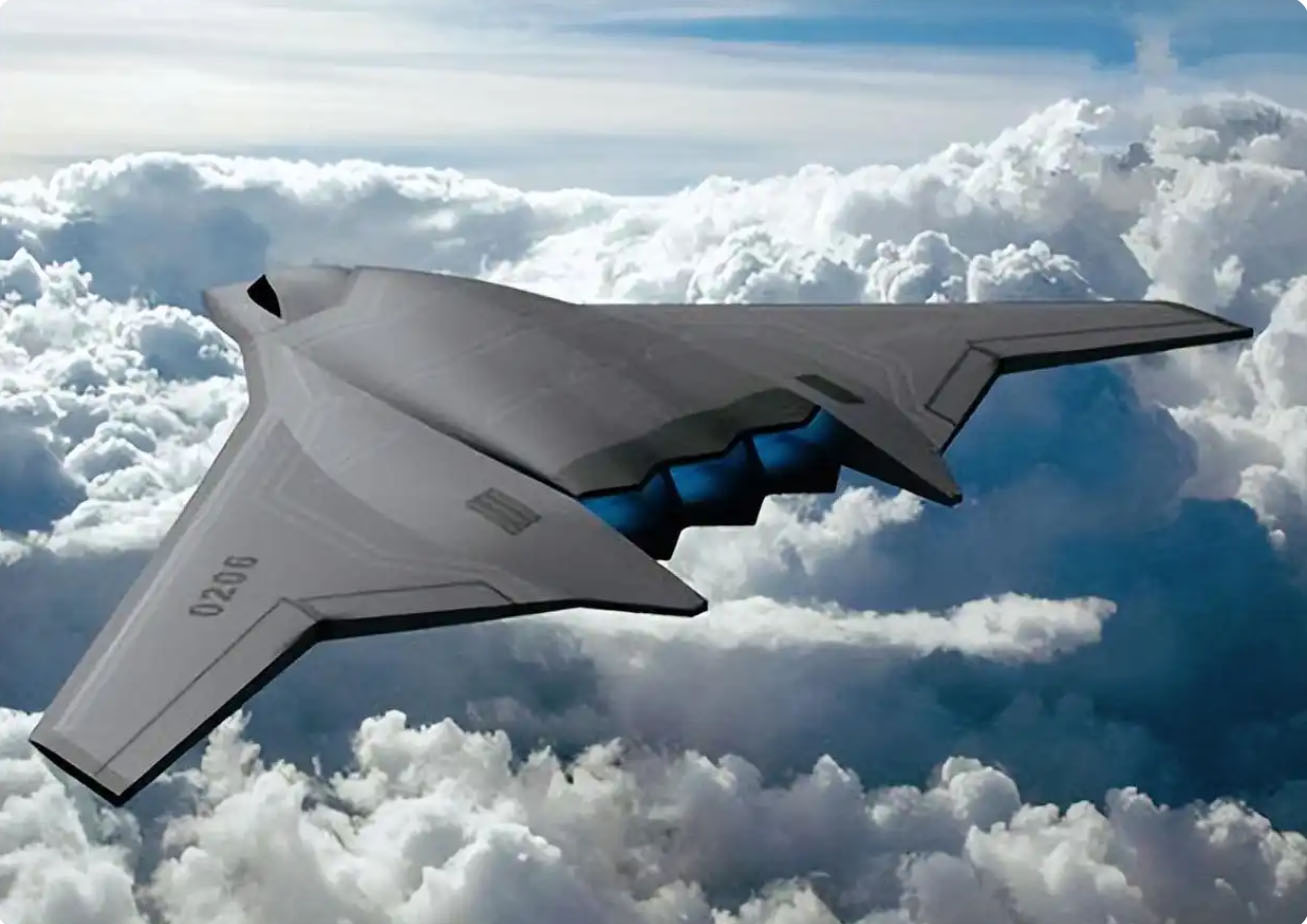
No tienen prisa por ser tendencia en redes sociales porque saben que la verdadera seguridad no se consigue gritando, sino con la luz que brilla silenciosamente a las 3 de la mañana. Te preguntarás, ¿qué tiene esto que ver conmigo? Piensa en la leche de soja que haces cola para comprar mañana por la mañana; sin estos "0,17 milímetros" de protección, el precio podría triplicarse. La paz nunca es gratis; es solo que alguien más la está pagando.
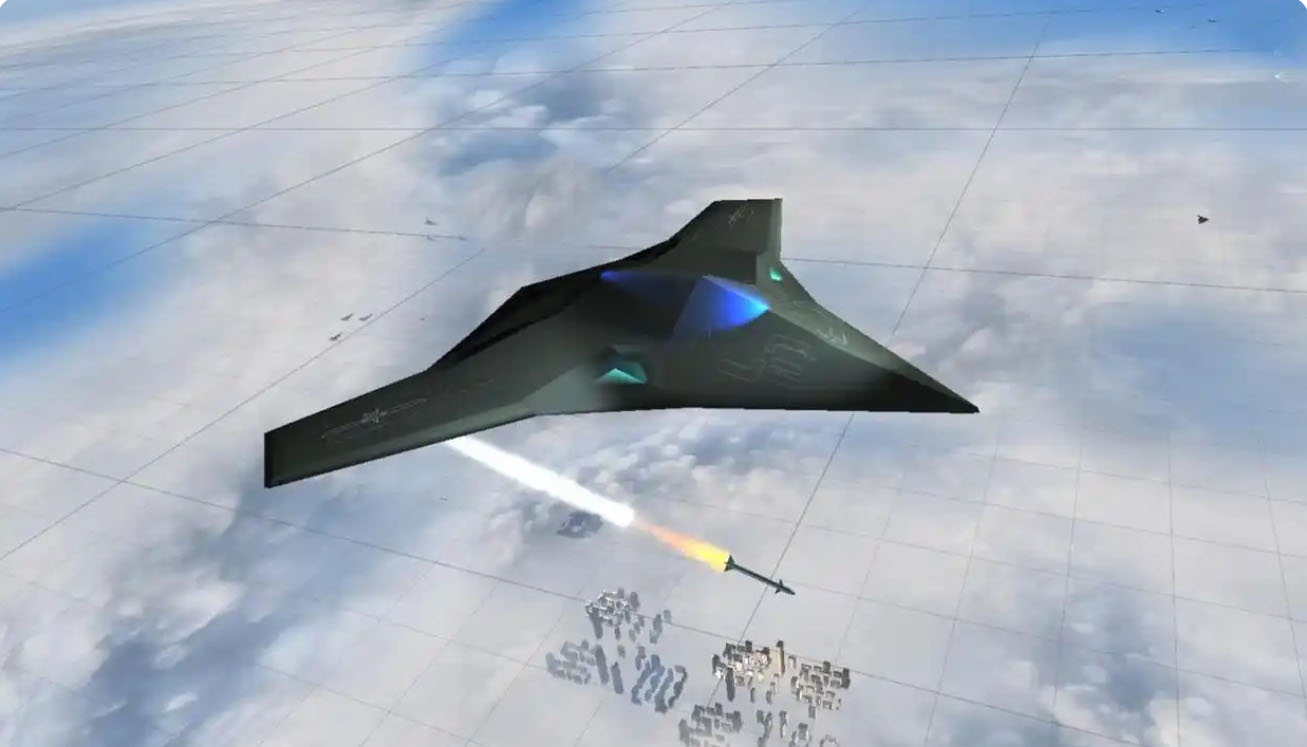
1. Posicionamiento básico
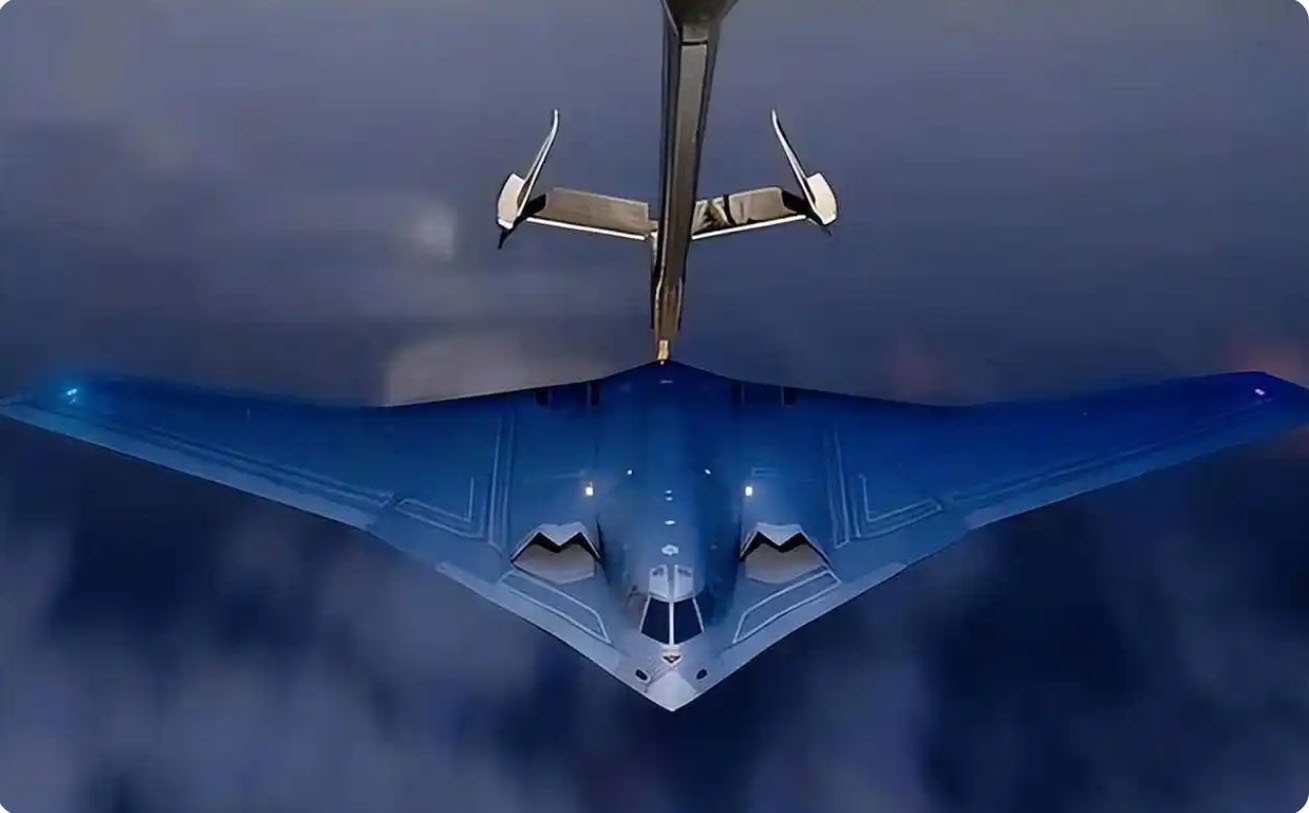
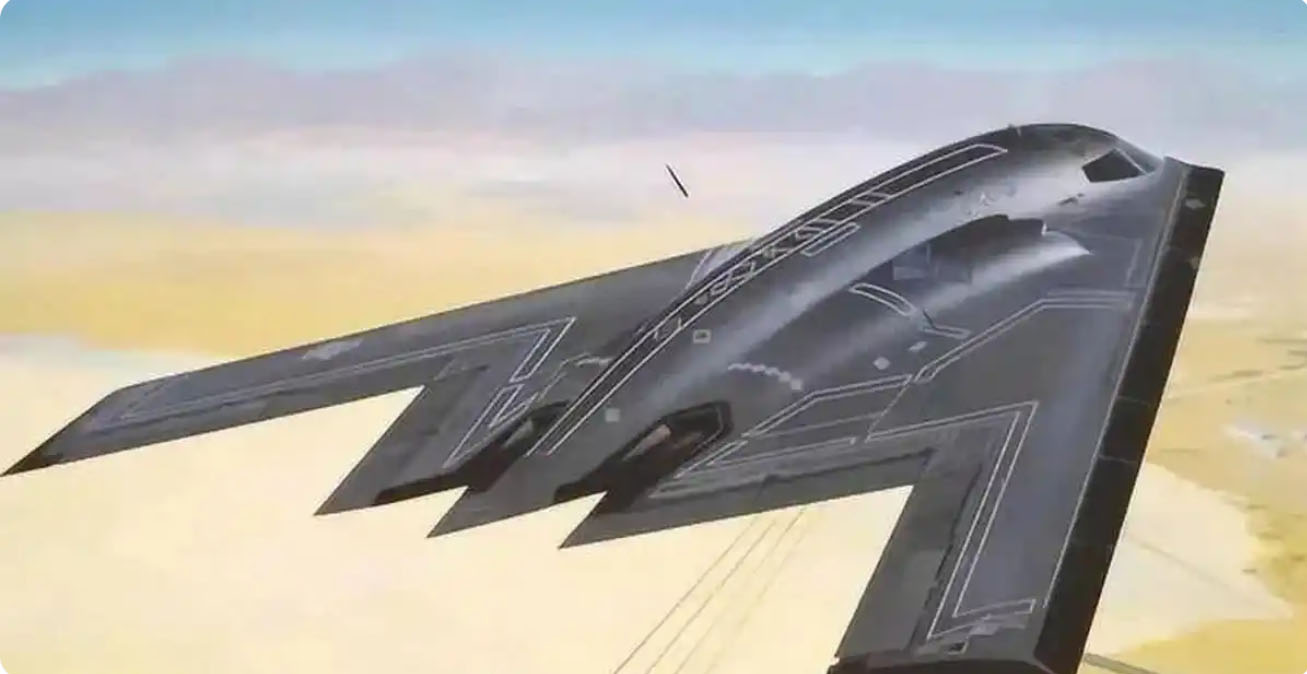
Posicionamiento del modelo: El primer bombardero estratégico furtivo de China, comparable al B-2A "Spirit" y al B-21 "Raider" de EE.UU.
Objetivo del diseño: Penetrar la defensa de la "segunda cadena de islas" y realizar misiones de ataque de largo alcance con capacidades tanto nucleares como convencionales.
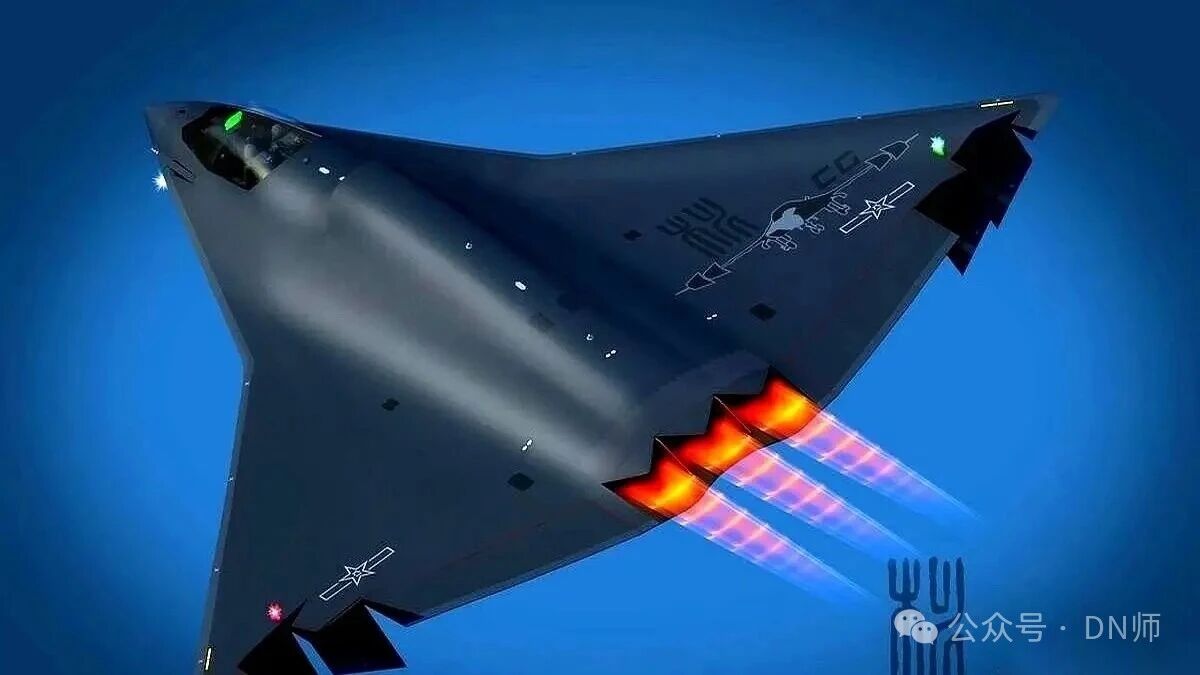
2. Parámetros de rendimiento especulativos
(1) Rendimiento sigiloso
Sección transversal del radar (RCS): Se espera que sea ≤0,01㎡ (comparable al B-2), empleando un diseño de ala voladora, revestimiento furtivo y diseño de compartimento de bombas interno.
Sigilo infrarrojo/acústico: posiblemente equipado con un nuevo sistema de enfriamiento del motor y tecnología de reducción de ruido.
(2) Alcance y carga útil
Alcance: Se especula que es de aproximadamente 10.000 a 12.000 km (sin reabastecimiento aéreo), con capacidad de ataque intercontinental.
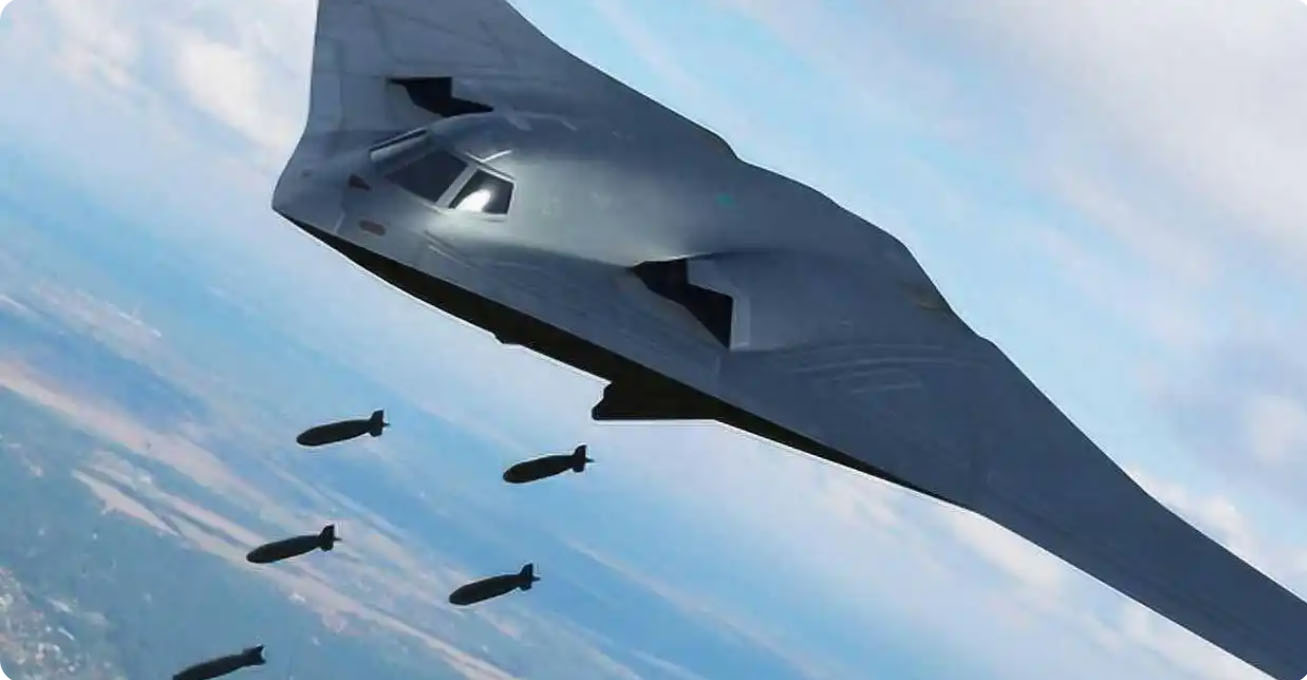
Carga útil: Se estima que entre 10 y 20 toneladas, capaz de transportar:
Municiones convencionales: Bombas guiadas de precisión (como el LS-6), misiles de crucero (Changjian-20). Armas nucleares: Nuevos misiles balísticos lanzados desde el aire o armas hipersónicas (similares a la versión lanzada desde el aire del Dongfeng-17).
(3) Sistema de propulsión
Motor: Posiblemente cuatro motores turbofán WS-18 (una versión mejorada del D-30KP2) o un nuevo motor turbofán WS-20, que podría actualizarse a una versión optimizada para sigilo en el futuro.
Capacidad supersónica: Muy debatida; la opinión mayoritaria es que es subsónica (similar al B-2), mientras que una minoría especula que posee una capacidad de penetración supersónica limitada.
(4) Aviónica y sistemas de combate
Radar: Radar de matriz activa escaneada electrónicamente (AESA), con alcance de detección y capacidades antiinterferencias superiores al H-6K.
Sistema de guerra electrónica: conjunto integrado de contramedidas electrónicas que favorece la penetración autónoma.
Asistencia de inteligencia artificial: Posible integración de un sistema de toma de decisiones asistido por IA para mejorar la eficiencia de los ataques a múltiples objetivos.
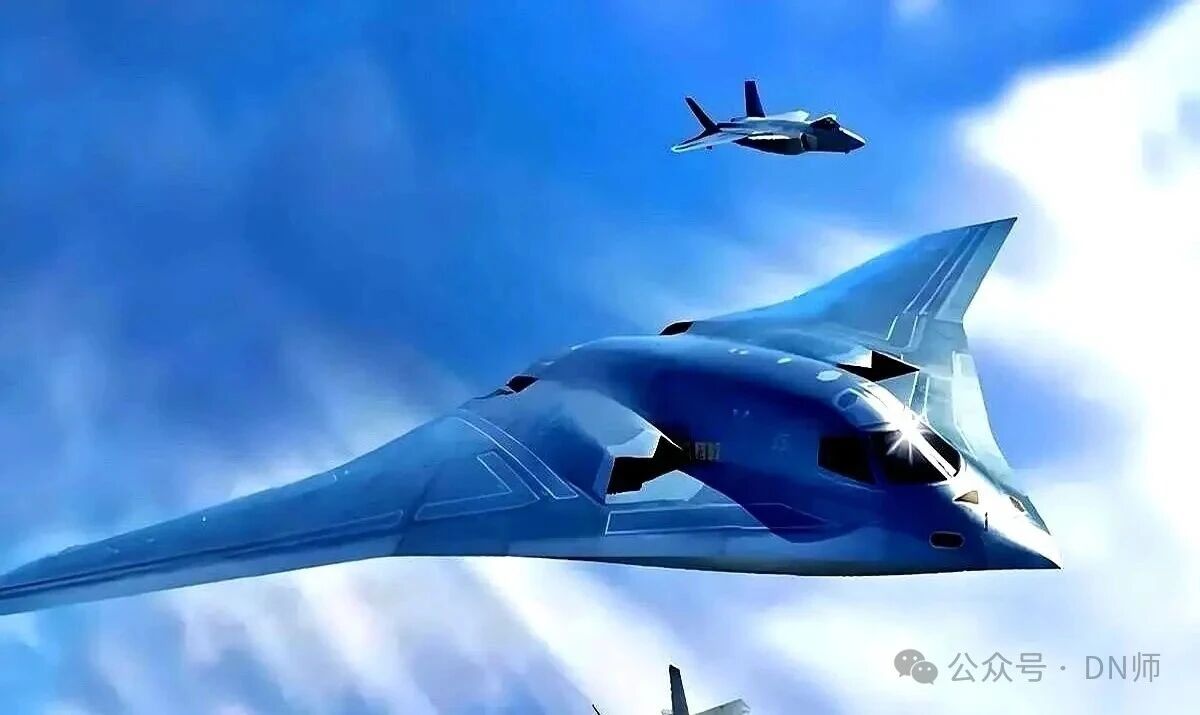
3. Comparación con modelos existentes
Parámetros: H-20 (especulado)
/ H-6K /
B-2A de EE. UU.
Autonomía: 12.000 km
/
6.000 kilómetros /
11.000 kilómetros
Carga útil: 20 toneladas /
12 toneladas /
23 toneladas
Sigilo: Fuerte (disposición de ala voladora)
/
Ninguno /
Extremadamente fuerte (RCS < 0,1㎡)
Motor: WS-18/20 (x4) /
D-30KP2 (x2) /
F118-GE-100 (x4)
4. Importancia estratégica
Disuasión Nuclear Triada: Cubre la brecha en la capacidad de ataque nuclear aéreo de China, conformando un sistema completo de disuasión nuclear con los submarinos nucleares DF-41 y Tipo 094. **Negación de Área/Antiacceso:** Podría representar una amenaza para bases militares estadounidenses como Guam y Diego García, lo que respalda la estrategia de "Negación de Área/Antiacceso" (A2/AD).
**Salto tecnológico:** Si se logra el sigilo y el alcance intercontinental, se convertirá en el segundo bombardero estratégico furtivo operativo del mundo.
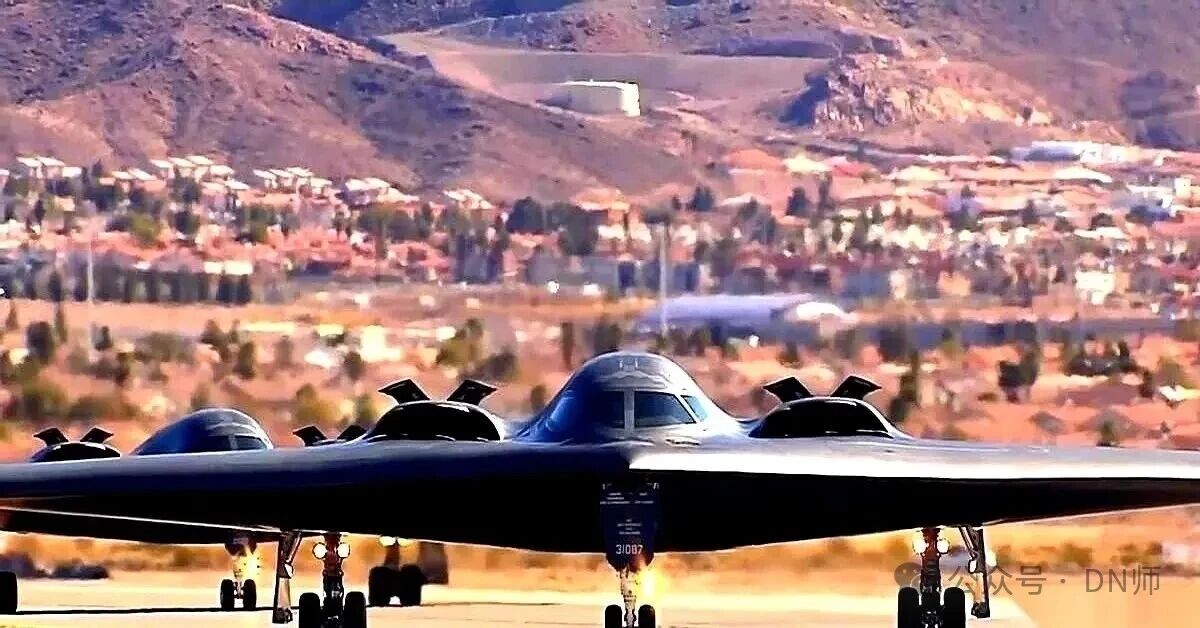
**5. Preguntas y desafíos clave:**
**Razones de los retrasos:** Pueden estar relacionadas con la confiabilidad del motor, procesos de fabricación de materiales ocultos o ajustes a requisitos estratégicos.
**Costo y producción en masa:** El costo por avión puede superar los mil millones de dólares y la producción en masa inicial puede ser limitada (similar al B-2).
H-20;
Bombardero H-20;
Hong 20
TEL : + 86-4000988557;
Skype ID: gfreex@hotmail.com;
WeChat: STEP_ADTECH;
QQ ID: 8936906.















por favor siga leyendo, manténgase informado, suscríbase y le invitamos a que nos cuente qué piensas.
 IPv6 red compatible 粤ICP备2021036697号
 Servicio en línea
 4000988557
 sales1@troysupply.comsales2@troysupply.com
 Richard Liu
 TROY
TROY 8936906
 Troysupply_com