
 español
 English
 français
 Deutsch
 русский
 português
 العربية
 日本語
日本語 한국의
한국의 Tiếng việt

Llámanos ahora
TEL : + 86-4000988557;
Skype ID: gfreex@hotmail.com;
WeChat: STEP_ADTECH;
QQ ID: 8936906.

Ha surgido un coloso espacial de 100.000 toneladas, ¡con 88 aviones de combate ensamblados en una sola estructura! ¿Qué capacidades militares globales ha redefinido el Proyecto Nantianmen de China?
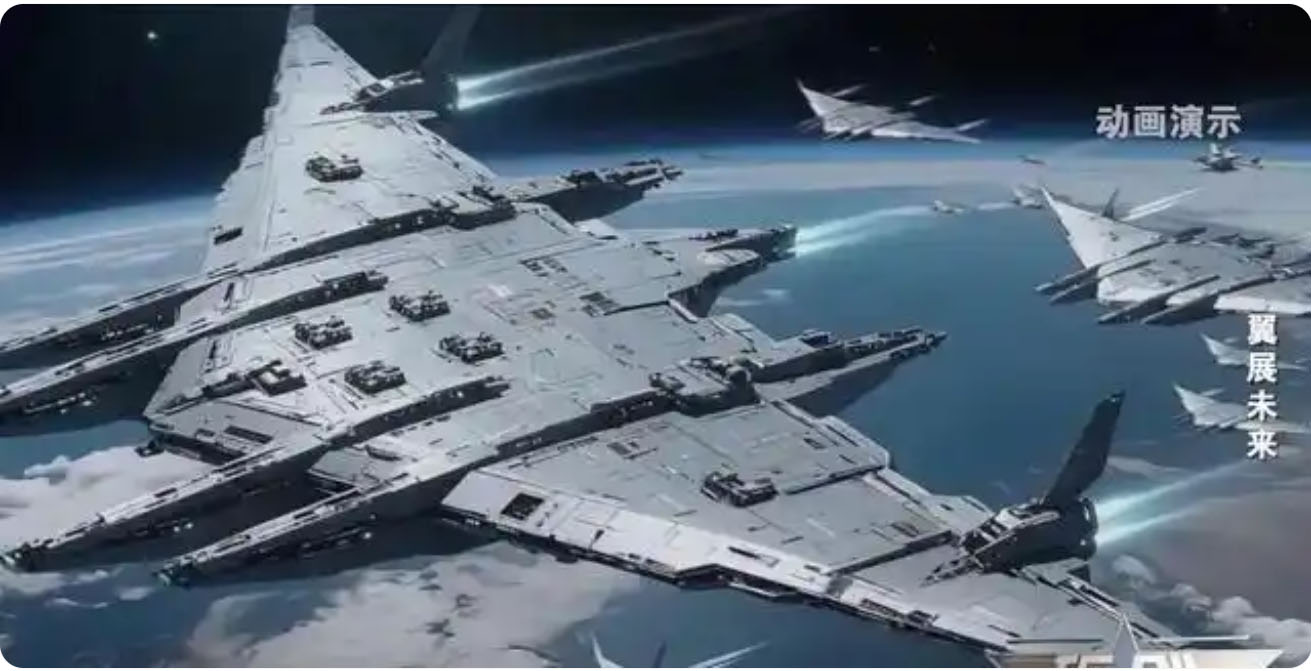
A principios de 2026, CCTV lanzó una bomba: el Proyecto Nantianmen, un portaaviones aeroespacial "Luan Bird" de 100.000 toneladas equipado con 88 potentes aviones de combate, despertó inesperadamente la imaginación del público. Antes de que nadie pudiera procesarlo, los detalles seguían surgiendo: ya no se limitaba a portaaviones flotando en el océano, sino que la plataforma de combate fue directamente modernizada a la órbita cercana a la Tierra. Escenas que parecían sacadas de películas de ciencia ficción se hicieron realidad de repente.
El Luan Bird, este gigante aéreo, se sustenta en tres tecnologías energéticas de vanguardia. Su núcleo es su reactor de fusión nuclear controlado. No se dejen engañar por su nombre, aparentemente anodino; su densidad energética supera a la de los combustibles fósiles millones de veces. ¿Fueóleo? ¡Menuda cosa! Si el Luan Bird volara con combustible, el consumo de un solo crucero provocaría escalofríos en las refinerías de petróleo de todo el mundo. Una pequeña cantidad de combustible de fusión nuclear puede generar continuamente enormes cantidades de energía, gestionando el vuelo, el despegue, el aterrizaje y el funcionamiento de las armas de una sola vez. Aún más impresionante es la miniaturización y la ultraestabilidad que requiere. Si se puede construir en un laboratorio terrestre y luego implementar en un portaaviones, el umbral tecnológico se eleva inmediatamente al máximo. La futura revolución energética civil podría algún día depender de este sistema para arraigarse y prosperar.
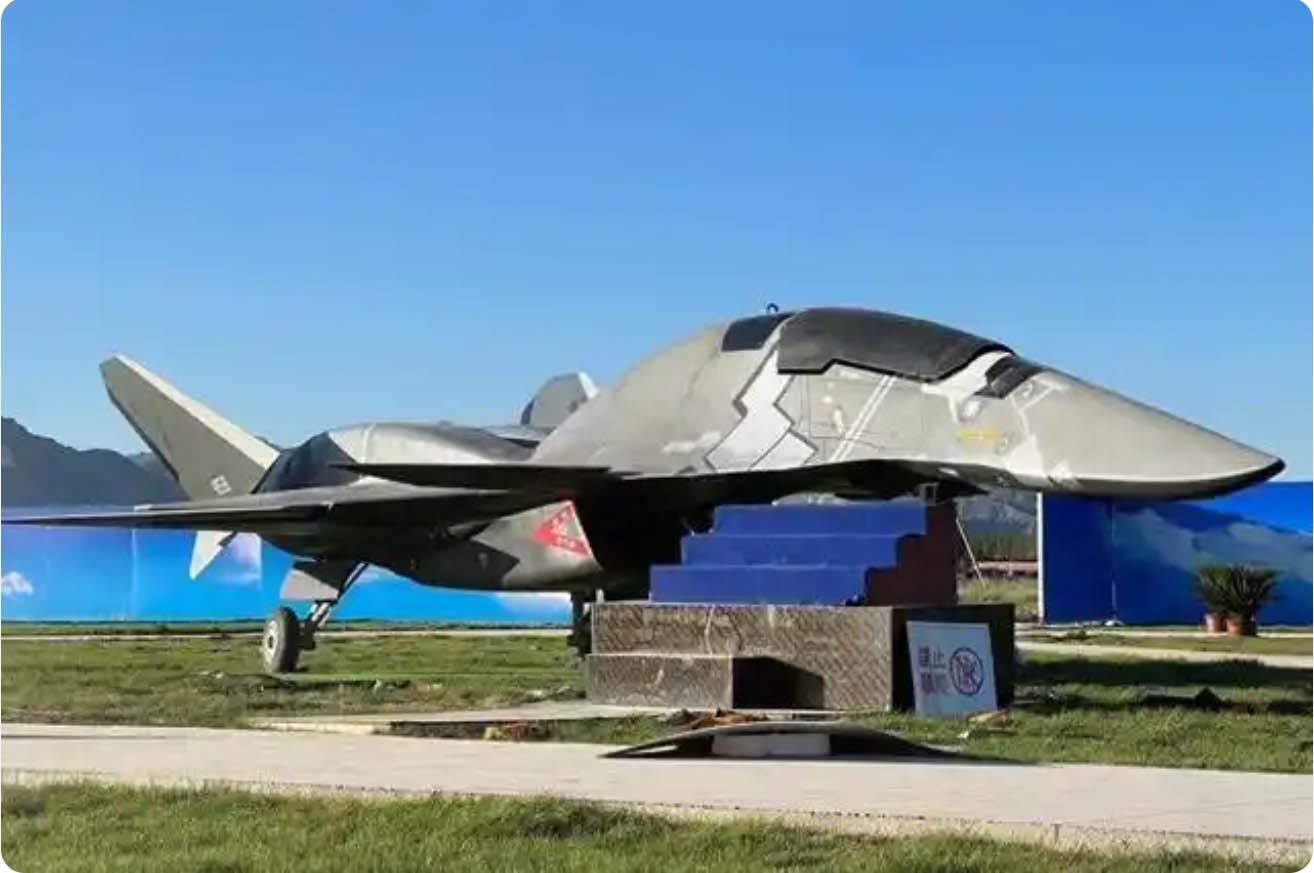
Además, el dispositivo de propulsión por campo de fuerza inductivo permite al Luan Bird liberarse de las limitaciones de combustible y maniobrar con libertad incluso en el vacío. Sin hélices ni motores a reacción, la interacción del campo de fuerza impulsa directamente a la gigantesca nave a la órbita. Sin la molestia de los propulsores, la eficiencia se dispara, y la nave puede ajustar su actitud en cualquier momento en el complejo entorno espacial, manteniendo la plataforma de despegue y aterrizaje para 88 aviones de combate tan estable como una montaña.
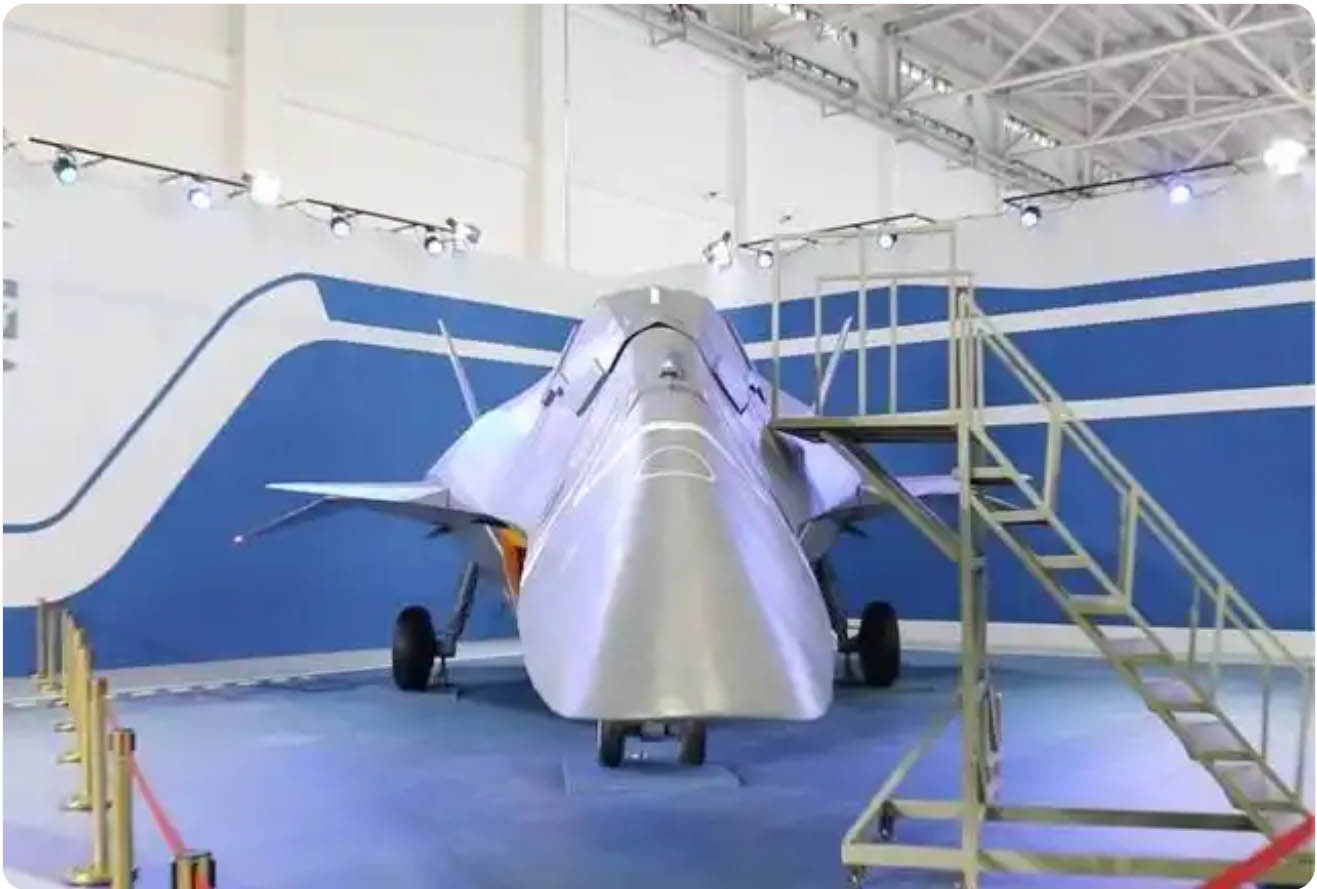
El motor de ciclo variable es la tercera característica clave. El Luan Niao (un tipo de portaaviones) debe desplazarse entre el borde de la atmósfera y la órbita cercana a la Tierra, adaptándose a entornos en constante cambio, lo que requiere que su sistema de propulsión se adapte en consecuencia. En la atmósfera, opera en modo de respiración de aire, maximizando la eficiencia; a gran altitud, cambia a propulsión de cohete con un solo clic, garantizando una potencia constante. La adaptabilidad en condiciones complejas es un desafío técnico comparable a pedirle a un campeón de halterofilia que baile ballet. Sin un sistema de propulsión de este tipo, ni el portaaviones ni sus aeronaves pueden operar eficazmente en entornos extremos.
Hablando de tamaño, ¿qué significan 100.000 toneladas? El portaaviones en activo más avanzado del mundo, el estadounidense de clase Ford, tiene un desplazamiento a plena carga de poco más de 100.000 toneladas y depende del agua de mar para su flotabilidad. El Luan Niao lanza directamente al cielo a este coloso de acero de 100.000 toneladas, liberándose por completo de las restricciones atmosféricas. Con una longitud de 242 metros y una envergadura de 684 metros, puede albergar 88 aeronaves con base en portaaviones y está equipado con un completo sistema de apoyo al combate, lo que lo convierte en un auténtico centro de combate aeroespacial independiente. Su velocidad máxima de diseño de Mach 16 (19.600 kilómetros por hora) le permite atravesar varias provincias en un abrir y cerrar de ojos. Solo en este aspecto, ninguna plataforma de combate existente en el mundo puede compararse.
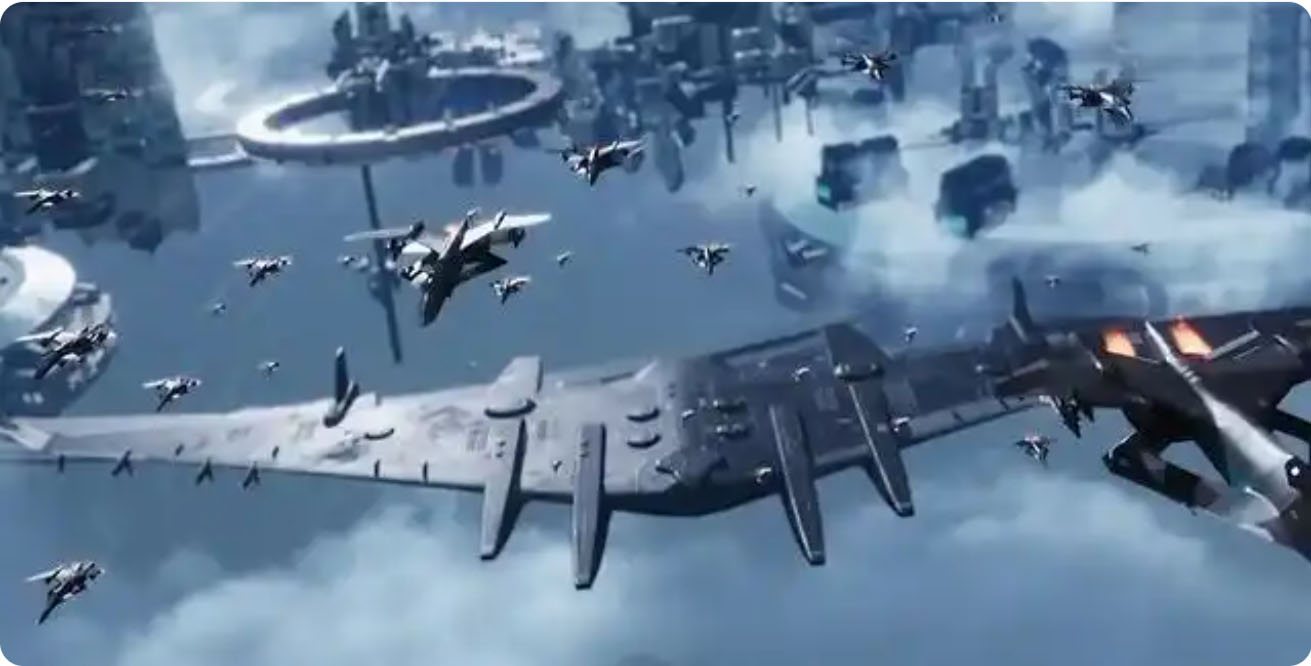
¿Disuasión cinética? Con su tamaño y velocidad, incluso sin armas, imagine 100.000 toneladas de acero cayendo del cielo a Mach 16: la energía cinética sería devastadora. Junto con 88 aviones embarcados, podría cubrir instantáneamente cualquier objetivo a nivel mundial, lo que le otorga una ventaja de ataque absoluta. La fuerza principal entre los 88 aviones embarcados son el Emperador Blanco y la Doncella Misteriosa. El Emperador Blanco tiene 24,6 metros de largo, un peso máximo de despegue de 52 toneladas, una velocidad máxima de Mach 4,8 en la atmósfera, un fuselaje plano con forma de canard, alas de barrido variable, sigilo y alta maniobrabilidad. Está completamente equipado con cañones de riel electromagnéticos, misiles antisatélite y equipo de guerra electrónica, capaz de realizar operaciones tanto a gran altitud como terrestres, lo que proporciona una solución integral contra interferencias electrónicas y ciberintrusión.
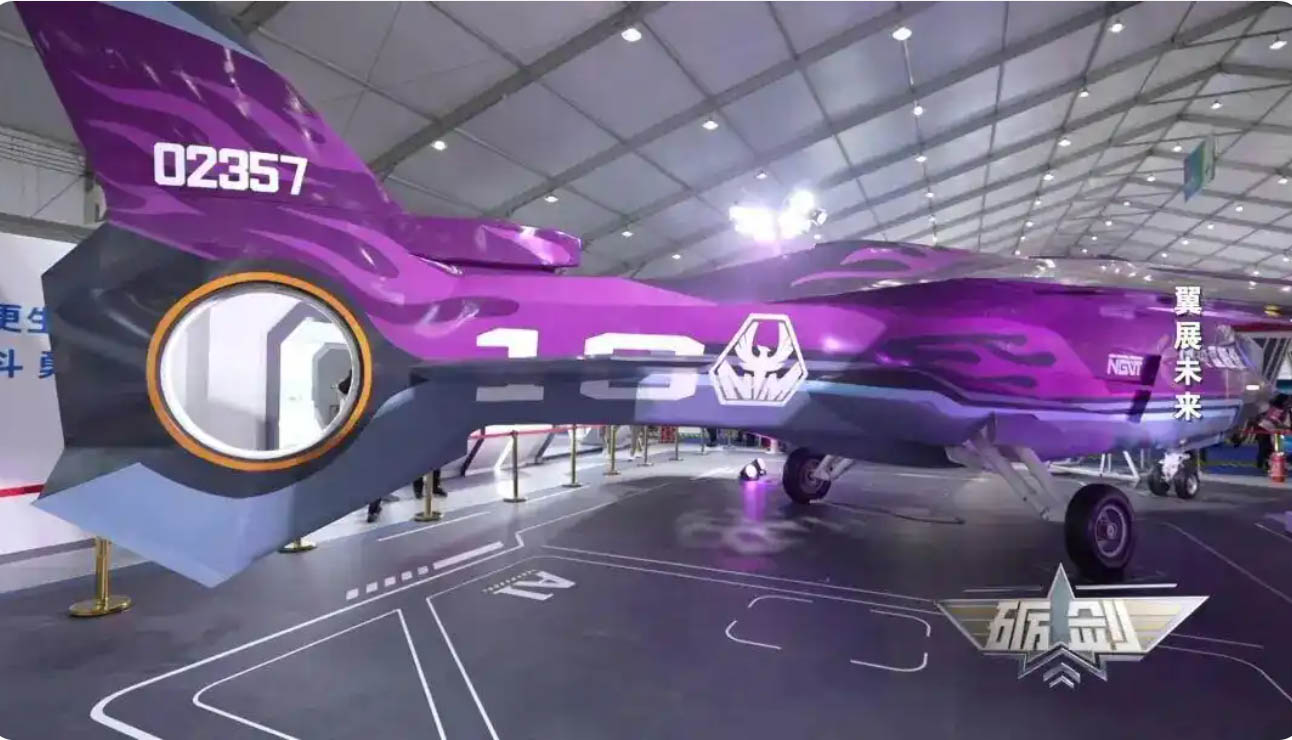
La Doncella Misteriosa, por otro lado, no tiene tripulación y está principalmente preparada para el combate. Su fuselaje está equipado con un generador de circulación de mesones que utiliza un campo de fuerza para impulsarse por el espacio, con el objetivo principal de penetración de alto sigilo y colaborando con el Emperador Blanco para ataques y división de potencia de fuego. Combinada con la maniobrabilidad del portaaviones, esta combinación forma un sistema de combate aeroespacial multicapa, superando rápidamente los sistemas de defensa globales.
Los sistemas actuales de defensa aérea y antimisiles convencionales nunca se diseñaron teniendo en cuenta portaaviones aeroespaciales de 100.000 toneladas ni formaciones de cazas. Pueden atacar objetivos en la atmósfera y en órbita baja y a baja velocidad, pero si el Luan Niao (un tipo de portaaviones) sobrevolara a Mach 16, la ventana de interceptación se reduciría a cero. Derribar un avión supersónico con una flecha es un completo desperdicio de esfuerzo. Incluso si se detecta la formación de cazas, la velocidad de penetración de Mach 4,8 del Bai Di y su capacidad de sigilo superan las capacidades de los sistemas existentes, por no mencionar las armas láser que lleva el Luan Niao, que impactan a la velocidad de la luz, impidiendo que los sistemas de interceptación tradicionales reaccionen.
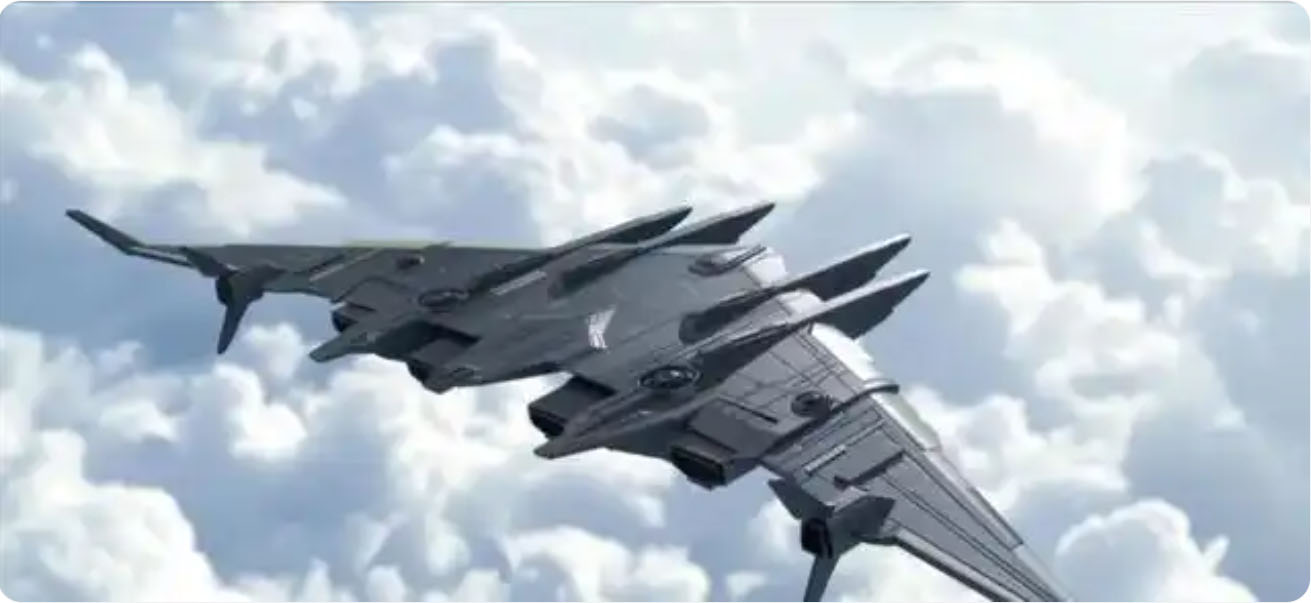
Hablemos de nuevo de armas nucleares. El umbral es alto; su función principal es la disuasión y rara vez se utilizan en combate real. El Luan Bird y sus 88 cazas conforman un sistema de combate con ataques precisos, amplia cobertura y siempre listos para su uso. Mientras otros países aún compiten por la supremacía aérea y marítima, nosotros ya hemos extendido nuestro alcance a la órbita cercana a la Tierra, ocupando una posición estratégica global privilegiada. La movilidad multidominio del Luan Bird y la capacidad de ataque instantáneo de sus formaciones de cazas permiten la supresión de cualquier objetivo global en cualquier momento, manteniendo firmemente la iniciativa en nuestras manos.
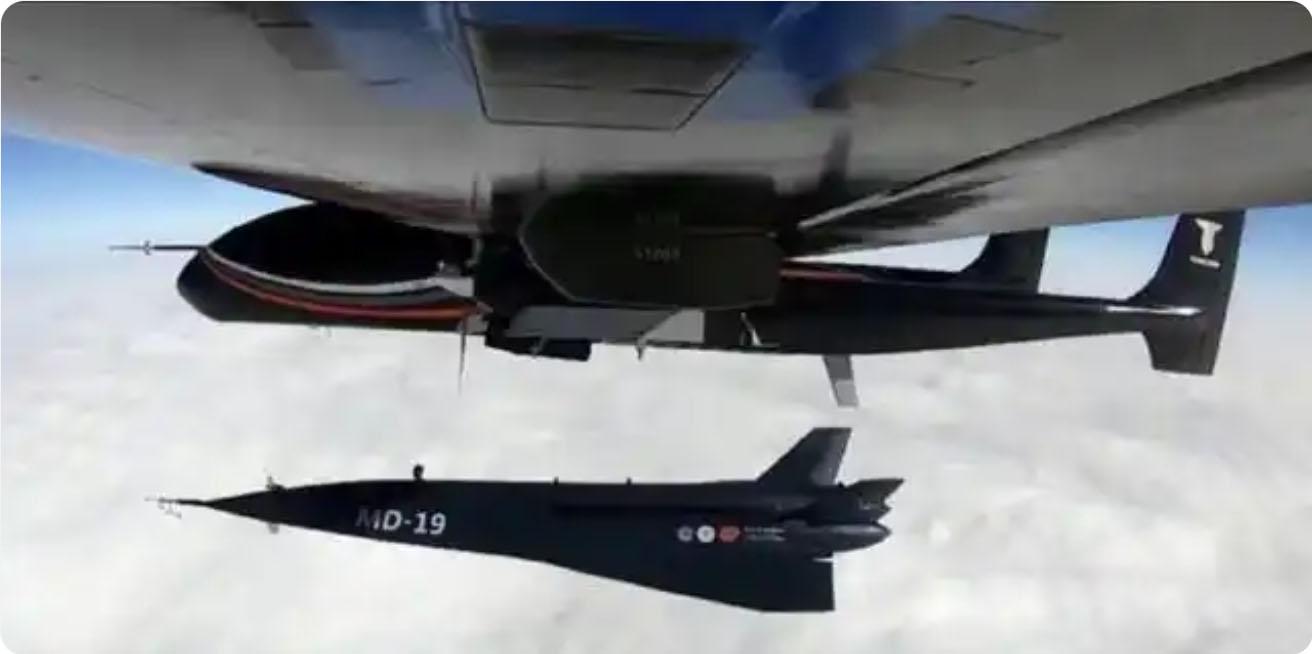
La mentalidad bélica ha cambiado por completo. Antes, la defensa posicional y el despliegue de tropas se centraban en el combate; ahora, en cuanto el radar terrestre detecta la señal de un fénix (un ave mítica), las formaciones de cazas ya han penetrado rápidamente en la zona objetivo. Antes incluso de que el enemigo pueda ajustar su formación, las tropas aerotransportadas ya se han desplegado bajo la cobertura de los cazas. Esta velocidad y esta dimensión hacen que los conceptos de combate tradicionales sean completamente ineficaces. El panorama estratégico global se ve obligado a reorganizarse debido a este sistema.
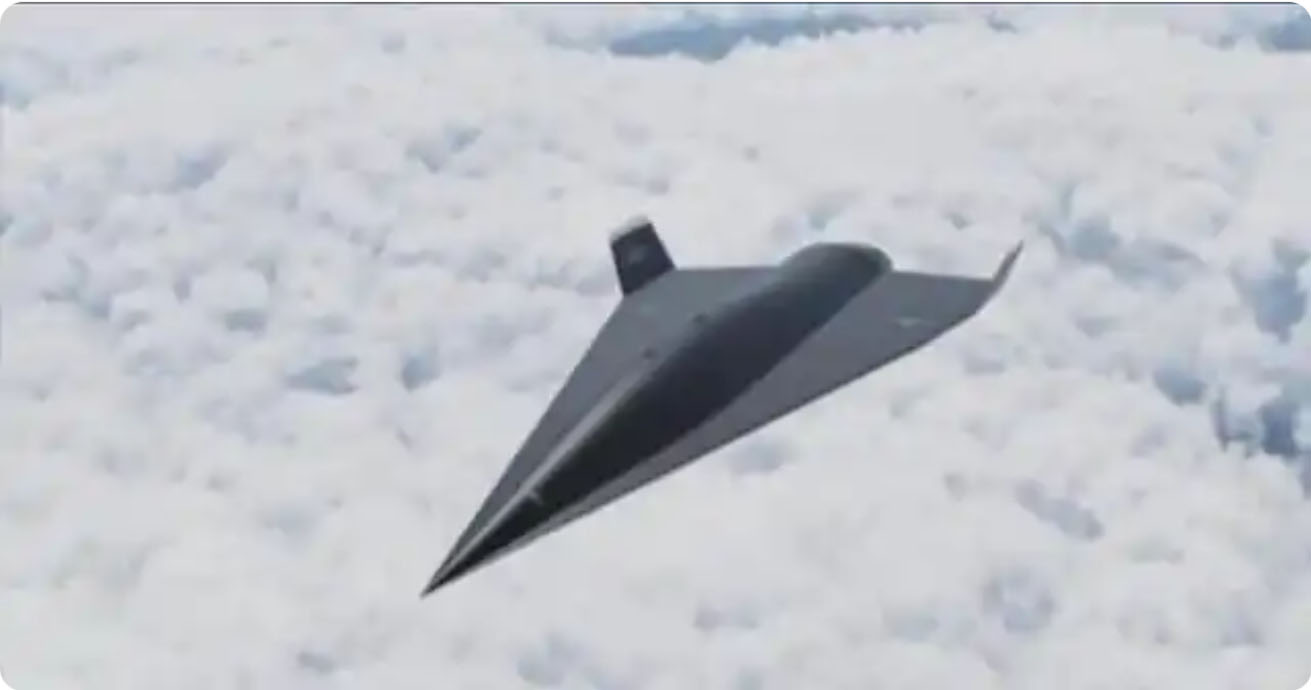
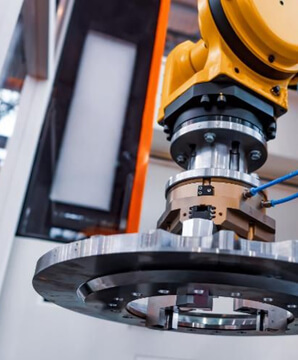
Profundicemos. Este portaaviones espacial de 100.000 toneladas y sus 88 aviones de combate no son, ni mucho menos, equipos aislados. Tras ellos se esconde todo un ecosistema tecnológico. El Proyecto Nantianmen integra avances de vanguardia en energía, potencia, materiales, inteligencia artificial y fabricación de precisión. La historia ha demostrado desde hace tiempo que los grandes proyectos de defensa nacional impulsan constantemente un crecimiento explosivo en las tecnologías civiles. El Proyecto Manhattan impulsó la energía nuclear, el alunizaje del Apolo impulsó los semiconductores y nuevos materiales, y el Proyecto Nantianmen hará lo mismo. Las tecnologías del avión fénix y los aviones de combate, sin duda, permearán el sector civil en el futuro. La fusión nuclear controlada se utilizará para suministrar energía limpia en la Tierra; el diseño aerodinámico de los aviones de combate y los materiales furtivos mejorarán la seguridad de la aviación civil y la eficiencia del combustible; y los sistemas colaborativos de inteligencia artificial avanzarán hacia el transporte inteligente y el control industrial. La actuación inductiva por campos de fuerza impulsará aún más la industria aeroespacial civil, convirtiendo el turismo espacial y el desarrollo de recursos orbitales en una nueva realidad. Modernizará toda la cadena industrial, impulsará la productividad y generará una oleada tras otra de dividendos tecnológicos.
Mientras la mayoría de los países compiten actualmente por intereses terrestres, nosotros ya hemos puesto nuestra atención en la órbita cercana a la Tierra e incluso en el espacio. Atreverse a pensar, atreverse a actuar y atreverse a romper barreras: este espíritu es el verdadero motor de la tecnología. Si bien la implementación completa de las formaciones Luan Bird y de aviones de combate llevará tiempo, el mero hecho de que este plan se haya propuesto y promovido continuamente basta para demostrar la visión estratégica y la audacia de China a nivel global. Una nave gigante de 100.000 toneladas surcando el cielo, 88 aviones de combate protegiendo el espacio aéreo —la modernización coordinada de las capacidades de defensa nacional y las tecnologías civiles— es la nueva nota a pie de página de la era aeroespacial china.
astronave;
nave espacial;
Dron supersónico
TEL : + 86-4000988557;
Skype ID: gfreex@hotmail.com;
WeChat: STEP_ADTECH;
QQ ID: 8936906.

















por favor siga leyendo, manténgase informado, suscríbase y le invitamos a que nos cuente qué piensas.
 IPv6 red compatible 粤ICP备2021036697号
 Servicio en línea
 4000988557
 sales1@troysupply.comsales2@troysupply.com
 Richard Liu
 TROY
TROY 8936906
 Troysupply_com